

Wall Decals of Cars: A UK Parent's Guide to Style
Quality vinyl wall decals can last 5+ years indoors when the wall is properly prepared and the decal is installed at the right temperature, making them a durable, affordable alternative to wallpaper. The trick is choosing wall-suitable vinyl, rather than assuming vehicle-grade material will behave the same way in a child's bedroom.
Perhaps you're standing in the middle of a room that needs a lift. Your child has outgrown the nursery, the walls look tired, and a full wallpaper job feels like far too much mess for a theme that might change again. A few well-chosen wall decals of cars can create a clear focal point without committing you to paste, steaming, or redecorating the entire room.
UK homes do bring their own complications. A north-facing bedroom can have a chilly external wall, older plaster may be slightly textured, and damp or condensation can gradually undermine adhesive. Get those details right and car-themed vinyl becomes one of the more forgiving DIY updates available to families, renters, and anyone who likes to refresh a room without starting from scratch.
Why Car Themed Walls Are a Smart Choice
A child's bedroom often reaches that awkward stage where the furniture still works, but the decoration no longer does. The cot has gone, the toys are changing, and the wall that once suited clouds or animals now needs something with more personality. Wallpaper can deliver impact, but it's expensive to replace and awkward to remove. Paint is simpler, although creating a convincing car theme usually means more masking, more colours, and more touch-ups than expected.
Decals sit comfortably between those two options. A large rally car above the bed, a row of smaller cars along a desk wall, or a road sweeping towards a toy shelf can change the feel of the room in an afternoon. You don't need specialist equipment, and you can keep the rest of the room neutral so the decoration remains useful as your child grows.
A practical rule: Let the wall carry the theme, not every item in the room.
That approach matters in UK homes, particularly rented properties where permanent changes may be restricted. A well-planned decal can add colour and movement while leaving you with a manageable removal job later. It also allows you to respond to changing interests. A toddler may love bright cartoon vehicles, while an older child may prefer motorsport silhouettes, classic cars, or a more graphic road-map design.
The popularity of automotive vinyl gives this style plenty of visual vocabulary. Since 2012, a UK car-sticker supplier has reported serving over 1,000,000 customers, a useful indication that personalised automotive vinyl is now a familiar category rather than a passing novelty. Its UK car sticker range also describes waterproof, GreenGuard-certified PVC vinyl, although a product made for a vehicle still needs to be assessed separately before you put it on a bedroom wall.
For room-specific inspiration, car stickers for walls can help you compare layouts before ordering. The most successful rooms usually use one strong feature, plenty of breathing space, and a few smaller details to tie the design together.
Choosing the Right Vinyl for Interior Walls
The word “vinyl” covers several very different products. A decal intended for a smooth car panel faces rain, road dirt, washing, and temperature changes. A decorative wall sticker needs to sit neatly on painted plaster, release without unnecessary damage, and remain comfortable in an indoor family space. Those are related applications, but they aren't identical.
For a bedroom, look first for interior decorative vinyl with clear information about the intended surface and adhesive. GreenGuard-certified PVC is a useful material choice for families who want a product suited to indoor spaces, because certification addresses emissions from the product. It doesn't mean the decal will stick to every wall, though. Surface condition still matters more than the label alone.
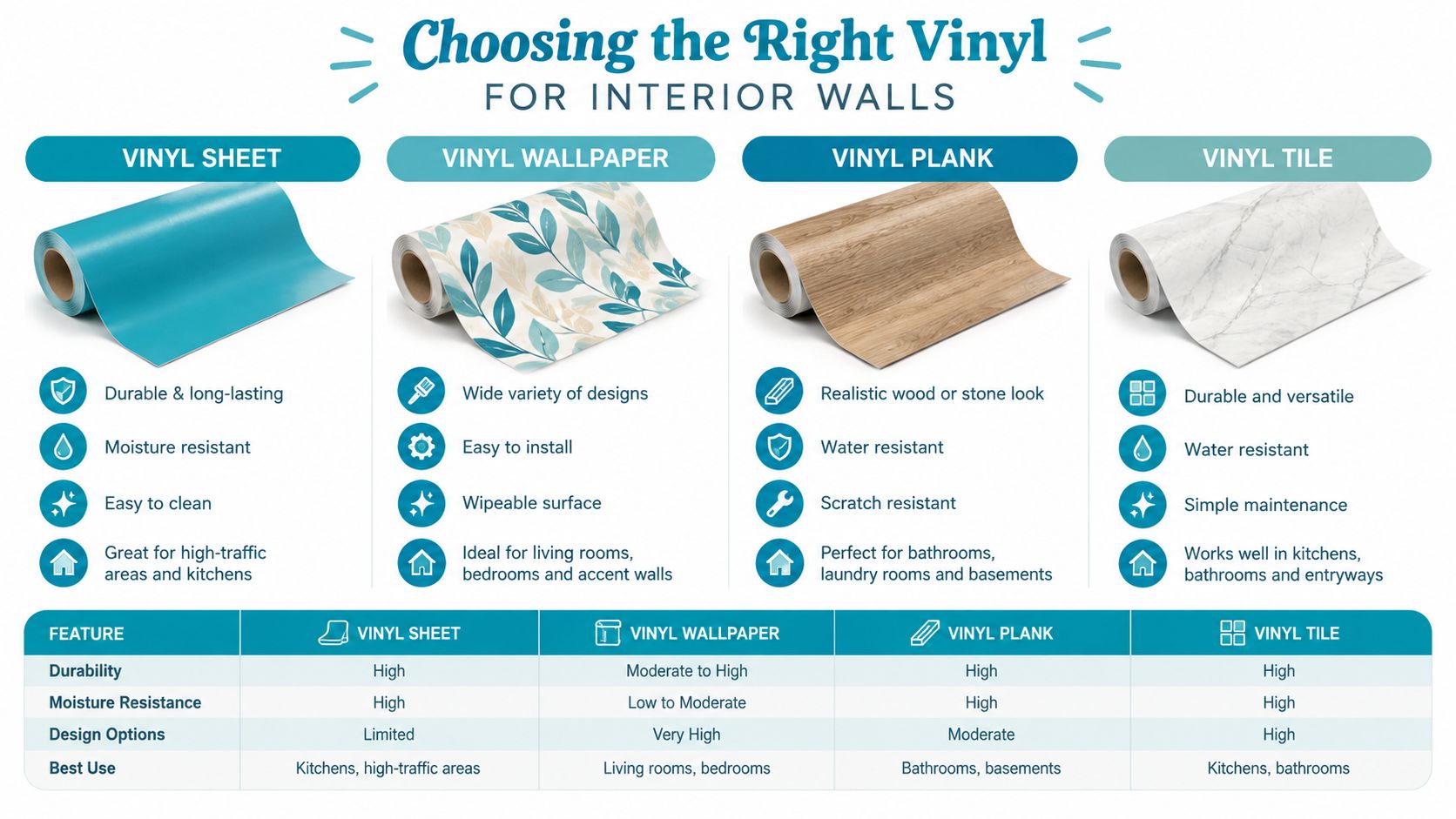
Decorative wall vinyl versus vehicle vinyl
Vehicle-grade vinyl is often engineered for stronger exposure and more demanding contours. That can be useful on a car, but it isn't automatically the best choice for an interior wall. A thicker film or more aggressive adhesive may be harder to reposition, more noticeable on painted plaster, and less pleasant to remove when you decide to change the room.
Decorative wall vinyl is generally the safer starting point for bedrooms, playrooms, and rented homes. Look for a finish that suits the wall rather than choosing the toughest-sounding material.
- Matte vinyl softens reflections and usually looks more like painted artwork, especially beside a window or under ceiling spotlights.
- Gloss vinyl gives bright colours and a toy-like finish, but reflections can make small details harder to see in strong daylight.
- Removable adhesive is helpful where future changes matter, although “removable” never overrides damp, poor paint adhesion, or a weak plaster surface.
A guide to vinyl for wall art is useful when you're comparing finishes and applications. Be wary of treating broad outdoor claims as a promise about indoor lifespan. A child's wall, a vehicle door, and a bathroom surface each place different demands on the material.
Preparing Your Walls for Perfect Adhesion
Most decal failures begin before the backing paper comes off. Dust, wax, silicone residue, flaking paint, condensation, and a slightly damp wall can all prevent the adhesive from forming a reliable bond. In older UK properties, preparation deserves more attention because several layers of emulsion may hide a powdery or uneven surface.

Check the wall before cleaning
Run your hand over the area and look closely in side light. A decal can follow a very slight painted texture, but deep texture, loose paint, flaky plaster, and heavily repaired patches will show through or create weak spots. If the wall feels dusty, rub it with a clean, dry cloth. Powder on the cloth means the surface needs stabilising before you apply anything.
Damp needs solving, not disguising. Look for peeling paint, dark patches, a musty smell, or condensation that keeps returning. A wall sticker won't fix the cause, and trapping moisture beneath vinyl may make the finish deteriorate faster.
Clean in the right order
Wash away ordinary dirt with a mild solution and a soft cloth, then allow the wall to dry completely. Avoid furniture polish, silicone-based sprays, oily cleaners, and anything that leaves a conditioning film. Those products can make a wall feel clean while leaving behind a residue that weakens the bond.
For the final deep clean, use isopropyl alcohol on a suitable cloth and test it discreetly first, particularly on delicate or newly painted surfaces. The UK application guidance from Cool Ice recommends removing dirt, salt, grime, wax, polish, and silicone residues before fitting vinyl. It also advises applying to a dry, uncontaminated surface.
Give the adhesive a fair temperature
Cold is a common problem in British homes. A UK technical datasheet for vehicle wrap vinyl describes adhesion build-up as low below 15°C, so don't apply a decal to a cold wall just because the room feels comfortable elsewhere. Warm the room, gently warm the surface if the manufacturer allows it, and choose a dry part of the day when condensation isn't forming.
Leave fresh paint to cure fully according to the paint manufacturer's instructions. A surface can feel dry while remaining soft or prone to lifting under adhesive. Preparation takes longer than the actual cleaning, but it saves you from chasing bubbles and peeling corners later.
Step by Step Installation Guide
Start by placing the decal, still on its backing, against the wall. Use a tape measure, a spirit level, and small pieces of masking tape to mark the centre and outer edges. Stand back and check the relationship with the bed, desk, shelves, sockets, and door swing. A racing car that sits too close to a light switch will look accidental, however attractive the design is.
Once the position feels right, run a strip of masking tape vertically through the centre of the design. This creates a hinge. Fold one half of the decal away from the wall, carefully trim or peel back part of the backing paper, then lower the exposed vinyl while smoothing it with a squeegee from the centre towards the outer edge.
Work slowly across the design
Use overlapping strokes rather than trying to press the entire graphic down at once. Keep the squeegee fairly flat and maintain steady pressure. For a large mural or a long road graphic, ask another adult to support the loose section so it doesn't fold back onto itself or touch the wall prematurely.
Peel the remaining backing paper gradually and repeat the centre-outward motion. Good lighting helps you spot creases while they're still easy to correct. Don't pull the vinyl sharply away from the wall if you make a mistake. Lift it gently, reposition the affected area, and continue in smaller sections.
Small bubbles don't always mean the installation has failed. Leave the decal to settle briefly, then press a trapped air pocket towards the nearest edge. If a stubborn bubble remains, a very fine pin prick can release the air, followed by careful smoothing. Use this only when necessary, because puncturing the film can leave a visible mark.
Finish the edges
Run your fingers or a clean squeegee around every edge, especially at corners and narrow parts of car wheels or mirrors. The UK installation guidance recommends a final edge press after working air out from the centre. Avoid washing the wall or scrubbing the decal immediately after installation. Professional UK guidance commonly recommends waiting 24 to 48 hours before washing, allowing the adhesive time to cure, as outlined by Signomatic's decal guidance.
A name label above the desk, a large vehicle above the bed, and a few directional signs near the toy storage can look far more polished than a crowded collection of unrelated stickers. Plan the whole wall before applying the first piece.
Creative Styling Combos for Any Room
One car can look lovely. A small collection can tell a story. The difference comes from scale and spacing, not from covering every spare patch of wall.
For a child's bedroom, use a large car as the anchor above the bed or reading corner. Add a road line that leads towards a bookcase, then place smaller signs, cones, or vehicle silhouettes near the lower part of the wall. Keep the largest image at eye level or slightly above it, where it can be seen clearly from the doorway.

Build a theme that can grow
Name lettering works particularly well above a bed, desk, or toy garage. Choose one colour from the vehicle and repeat it in the name, bedding, storage boxes, or a small lamp. That repetition makes separate pieces feel intentional without requiring a full matching bedroom set.
A playroom can take a more illustrative approach. Combine a road-map shape with several differently sized cars, placing the most detailed design in the main activity area and simpler silhouettes near storage. In a teenager's room, a monochrome classic-car graphic or a single technical outline can feel more grown-up than bright cartoon imagery.
Car motifs can also work beyond children's spaces. A home office may suit a restrained vintage vehicle print, while a hallway could use a small directional sign as a playful detail. If you're styling a room with an unusual window shape, these bay window wall decor ideas offer useful inspiration for balancing artwork around awkward architectural spaces.
Keep the finish looking intentional
Leave gaps between designs so the wall colour acts as part of the composition. Mixing every available finish can make the arrangement look busy, so choose either a consistent matte appearance or use gloss sparingly as an accent.
Dust with a soft, dry cloth. For marks, use a barely damp cloth and gentle pressure, then dry the area rather than leaving moisture sitting along the edges. If the room is humid, improve ventilation and deal with condensation before it becomes a repeated problem. These habits protect both the decal and the painted wall beneath it.
Maintenance and Safe Removal Tips
Car wall decals don't need complicated care. Dust them with a soft cloth and wipe fingerprints with a lightly damp, non-abrasive cloth. Avoid scouring pads, solvent-heavy cleaners, and vigorous rubbing over narrow edges, because abrasion can dull the finish or start lifting the vinyl.
Humidity deserves attention in rooms where condensation is common. Keep furniture from pressing tightly against a cold external wall, use the room's ventilation, and don't apply a decal over a damp patch only because it looks dry after cleaning. The material may be durable, but adhesive still depends on a clean, stable surface.
The safest maintenance routine is gentle cleaning and early attention to a lifting edge, not forceful scrubbing after the problem has spread.
Removal is easiest when you treat the decal as a film rather than a label to rip off. Warm a small area with a hairdryer on a low setting, keeping it moving so you don't overheat paint or plaster. Start at a corner with a fingernail or plastic scraper, then pull the vinyl back slowly and close to the wall rather than straight out.
If the paint comes away, stop and reassess. Older emulsion, poorly bonded paint, freshly painted surfaces, and weak plaster can all be damaged even by a supposedly removable product. Work in small sections and use gentle warmth only where needed.
For a fuller removal method, this guide to removing a wall decal provides a useful reference. Renters should photograph the wall before installation, keep the original product information, and test a discreet corner first. No sticker can guarantee damage-free removal from every paint system, but careful preparation and patient peeling reduce the risk considerably.
The sensible choice comes down to three questions. Is the wall smooth, dry, and sound? Is the vinyl intended for indoor decoration? Can you install it in a warm room without rushing? If the answer is yes, wall decals of cars offer a flexible way to give a room character now and change it later.
Quote My Wall offers car-themed wall stickers, personalised wall designs, vinyl products for smooth surfaces, and related nursery and children's bedroom decor. Visit Quote My Wall to choose a ready-made design or discuss a personalised decal for your next room update.