

Personalised Gifts for Families: The Complete UK Buyer's
You're standing in the gift aisle with a birthday, Christmas visit or family milestone approaching, and every option looks familiar. There's a mug, a candle, a soft toy and a decorative sign, but nothing that recognises the complicated, affectionate reality of your household. A blended family, grandparents in another part of the country, children with different interests and one shared home make generic gifting surprisingly difficult.
The strongest personalised gifts for families solve that problem by giving everyone a place in the story. They're not chosen because a name can be printed on them. They work because the format suits the people, the material suits the use, and the personalisation reflects a real relationship or memory.
Why Generic Gifts Fail Modern UK Families
A mass-produced present often fails before it's opened. It may be attractive, useful or amusing, but it gives the recipient no evidence that you considered who they are within the family. A standard photo frame doesn't distinguish between a grandparent and a new parent. A generic children's decoration may suit one room but clash with another child's personality. A shared household gift can also become strangely ownerless, with nobody feeling that it belongs to them.
Personalisation gives the gift a clear recipient. A child's name on a bedroom decal makes the room feel like theirs. A family surname on a wall design gives a newly occupied house an identity. A date engraved on an anniversary keepsake marks a moment that matters to the couple rather than merely signalling the occasion.
The household is rarely simple
Multi-recipient families need more thought than one-name products usually suggest. A gift for grandparents may need to include children from different relationships. A blended family may prefer a shared surname-free design, a group of first names or an illustration that represents everyone without ranking one branch above another. In a multi-generational home, the safest choice is often something displayed communally, rather than an item that assumes everyone shares the same taste.
The shift towards personalised gifting reflects a wider change in UK buying habits. 64% of UK consumers said they prefer emotive gifts that feel personal and suited to the recipient, according to the history and consumer overview from Create Gift Love. That preference explains why a carefully chosen name label, family print or milestone sign can outperform a more expensive but impersonal object.
Practical rule: If you can remove the recipient's name, family detail or meaningful date and the present still feels exactly the same, it probably isn't personal enough.
The point isn't to decorate everything with names. It's to choose an object the family will use, see or handle repeatedly, then add the detail that makes it unmistakably theirs. That's how a present avoids the cupboard and becomes part of daily life.
The UK Personalised Gifts Market Explained
Personalised gifting is now a mainstream UK buying category. The market was valued at about USD 1.88 billion in 2024 and is forecast to reach roughly USD 3.06 billion by 2031, with a projected 7.1% compound annual growth rate, according to Data Bridge Market Research's UK market analysis.
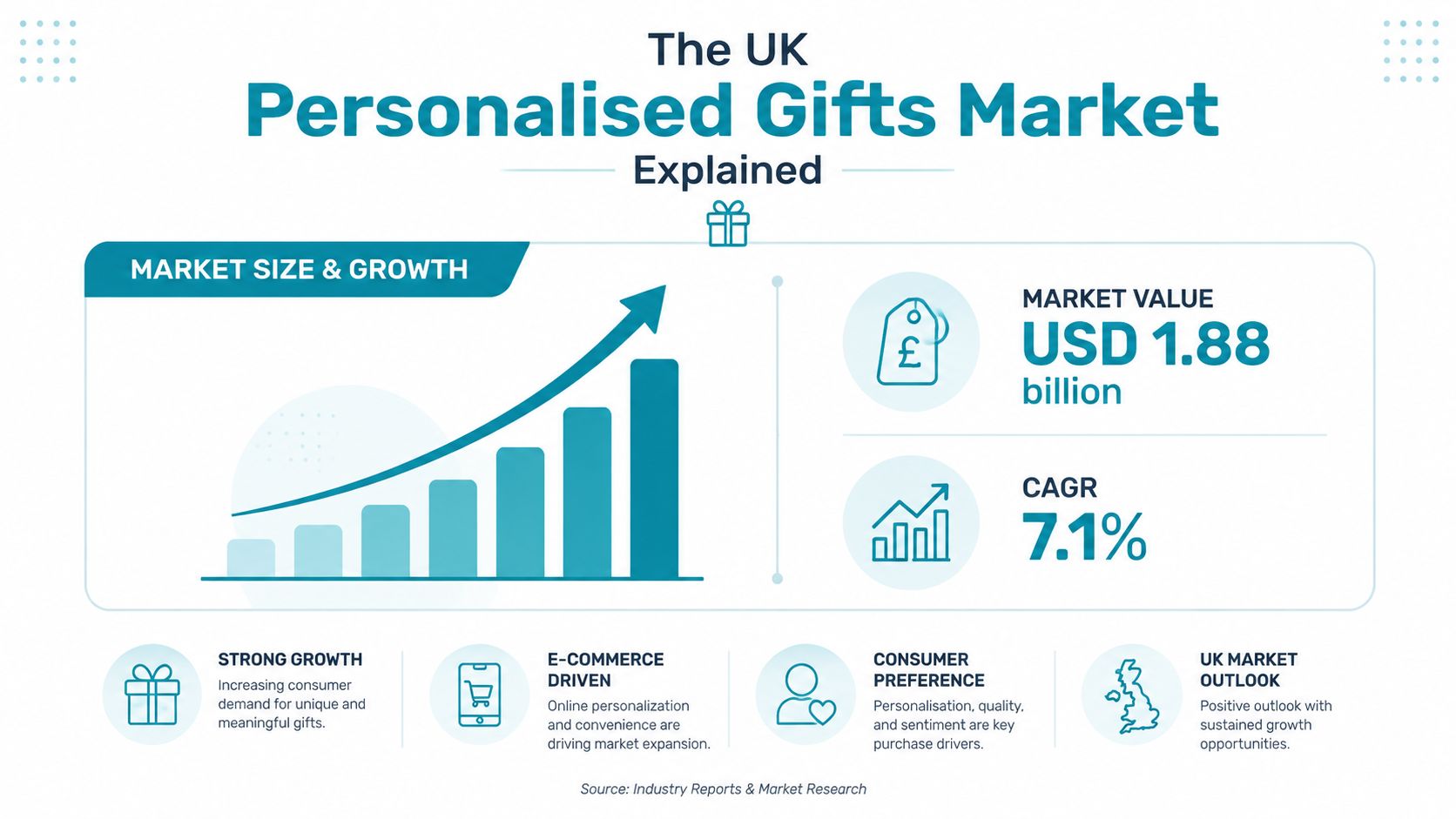
For families, that scale means more choice across wall décor, clothing labels, acrylic signs, keepsakes and seasonal presents. It also gives buyers less reason to accept vague product listings. Check the material, personalisation method, care instructions and expected lifespan before placing an order. A family gift must survive repeated handling, washing or display, depending on its use. Items intended for children should also avoid loose parts or finishes that create a safety concern.
Online buying has changed the decision
The online segment was forecast at USD 1.01 billion in 2024, according to the same market analysis. Digital ordering lets families check spelling, preview layouts, compare finishes and choose gifts suited to grandparents, children or newlyweds.
A separate UK forecast projected the category to add more than USD 1.4 billion in value between 2025 and 2030, with a projected 11.2% CAGR, as reported in further analysis from the same source. That momentum confirms that personalised gifts are an established purchase, but it does not justify every premium price. Pay for a finish and material that will last, not for a name added to a weak product.
Use a supplier that shows the finished item at a useful scale and explains exactly what can be changed. Look for wash-care guidance on textiles, durable materials for frequently handled pieces and clear delivery information. If the listing hides the material or relies only on flattering lifestyle photography, choose another supplier. More choice helps UK families find a suitable gift, provided they compare construction as carefully as design.
Choosing the Right Personalisation Type for Your Family
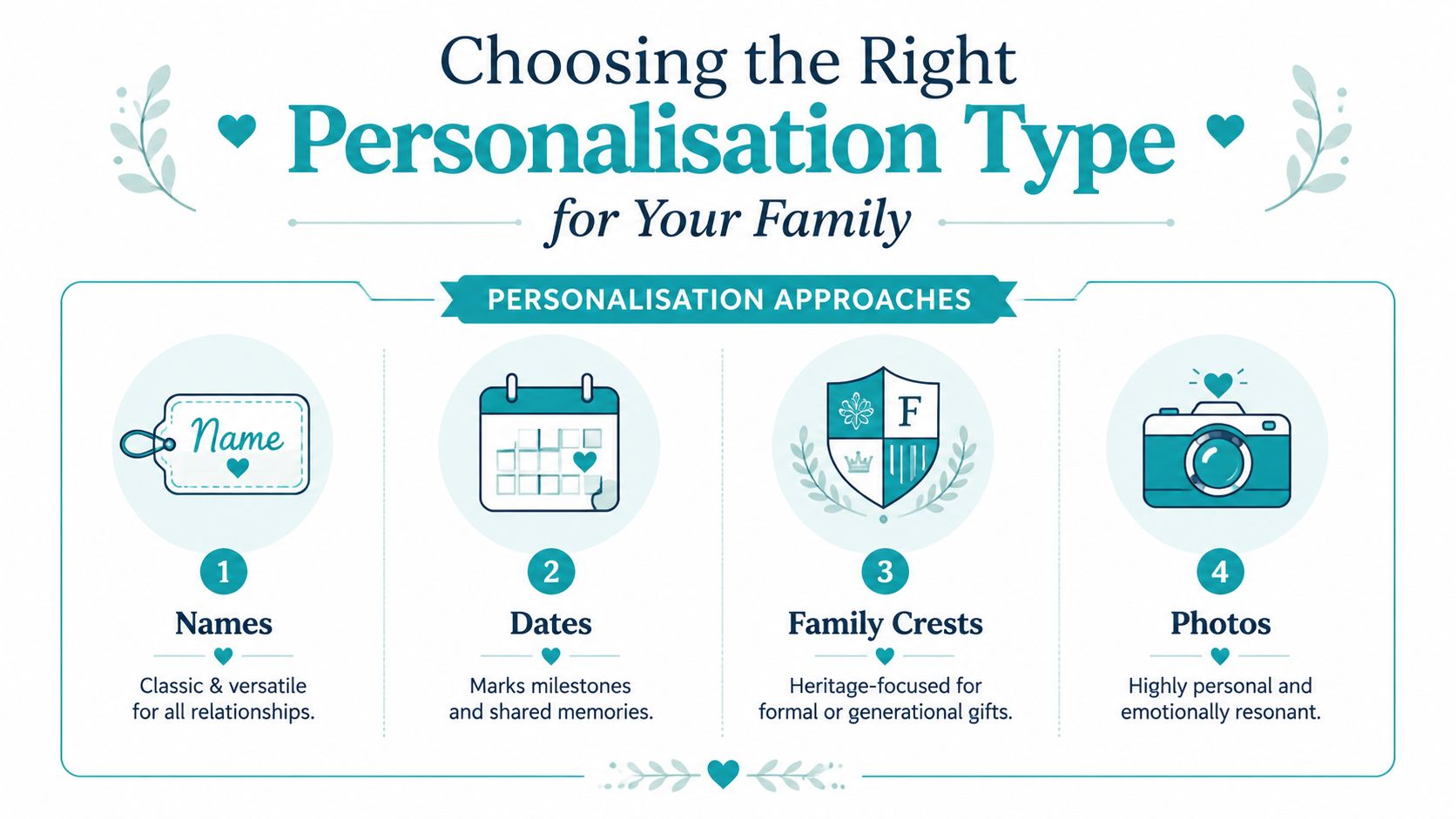
The personalisation method should match the family relationship. Names are the most adaptable choice, dates carry emotional weight, crests express heritage and photos create immediate intimacy. Problems arise when buyers choose the most visually striking option instead of the one that fits the recipient.
Names suit everyday family life
Names work particularly well on products used by children, such as clothing labels, room décor and school belongings. They also make shared gifts feel inclusive when every household member appears with equal prominence. For a large family, avoid squeezing a long list into a small design. Use a family surname, a carefully arranged group of first names or separate coordinated items.
Names can feel too functional for a major anniversary or wedding. Pair one with a date, location or short phrase when the occasion deserves more context.
Dates mark the moment
A date is stronger than a name when the present celebrates a birth, wedding, move or anniversary. Grandparents may prefer a discreet date beneath a family print, while a couple might appreciate the date of their wedding or the year they moved into their first home. Check that the date is correct before approving the design. Personalised suppliers generally treat customer-approved details as final.
Crests bring heritage, but need care
A family crest or shield-style design suits households that value ancestry, tradition or a formal visual style. It works well on a substantial wall piece or an engraved object, particularly for grandparents or a family home. Don't use a crest merely because it looks impressive. If the family has no connection to it, the design can feel decorative rather than meaningful.
Photos create emotion, not always durability
Photos are powerful for grandparents, new babies and long-distance relatives, but they need a suitable surface and viewing context. A crisp image belongs on a framed print or display piece, not on a product that will be handled roughly or exposed to repeated cleaning. For further inspiration around a child-focused present from a grandparent, this guide to a unique grandma gift for kids offers a useful relationship-led perspective.
The best combinations are restrained. A family name with a house illustration, a child's name with a birth date or a photo with a short caption usually feels more considered than a crowded design containing every available field.
Material Quality and Durability Benchmarks
A personalised gift should be judged by its intended workload. A decorative sign displayed indoors has different requirements from a name label washed with school clothing. Ignore vague terms such as “washproof” unless the seller explains the test method, temperature and number of cycles.
For textile products, the most useful benchmark is the BS EN ISO 6330 wash procedure. Independent testing cited for UK name-label products reported survival through 60 washes at 40°C, while other UK labels report durability through 30 to 40 washes and resistance to low-heat tumble drying, as detailed by Stikins' product information. The practical lesson is clear: adhesive chemistry, print durability and application to the garment care label matter as much as the label material.
Material comparison
| Material | Expected lifespan | Best use cases | Care requirements |
|---|---|---|---|
| Vinyl | Quote My Wall states its vinyl is designed to last at least 5 years indoors and 3 years outdoors, according to its personalised clothing tag guidance | Wall decals, furniture updates and selected labels | Use the supplier's cleaning instructions, avoid abrasive products and protect outdoor applications from unnecessary exposure |
| Acrylic | Depends on thickness, print method and placement | Signs, name plaques and display keepsakes | Clean gently, prevent scratching and avoid harsh chemicals |
| Glass | Can offer a formal keepsake appearance | Framed displays and milestone gifts | Handle carefully, protect edges and keep away from areas where children may knock it |
| Printed textile | Depends on fibre, ink and attachment method | Clothing labels, bags and soft furnishings | Follow the garment label, use the tested wash temperature and choose the recommended drying method |
A premium material is justified when the gift will be displayed for years or handled frequently. Standard materials can be perfectly sensible for a short-term seasonal decoration or a child's rapidly changing room. For children's products, ask whether inks, coatings and adhesives are suitable for the intended environment, and keep small detachable parts away from young children.
Red flags include missing care instructions, no explanation of attachment, unclear sizing and claims that promise permanent performance without test conditions. Durability isn't a decorative extra. It determines whether the family remembers the gift fondly or remembers the peeling edges and faded print.
Occasion-Based Gift Ideas and Price Brackets
The right budget depends on the occasion, the number of recipients and whether the item will be used privately or displayed by the whole household. Think in terms of purpose rather than price alone. A modest set of durable clothing labels may be more valuable to busy parents than a larger decorative object that has nowhere to go.
Birthdays and Christmas
For a child's birthday, items under £20 can include name labels, a small personalised bauble or a simple bottle opener for an older recipient. In the £20 to £50 range, choose a name wall sticker, acrylic sign or coordinated bedroom decoration. A larger statement wall design or substantial keepsake suits a £50+ budget when the family is marking a major milestone.

Christmas rewards coordinated gifting. Give each child a personalised label or bauble for individual ownership, then add one shared family sign for the home. A family name wall decal, such as this personalised family name wall decal, can work as the communal element, provided the household has a suitable wall and agrees on the style.
Weddings, anniversaries and new arrivals
For weddings and anniversaries, under £20 is appropriate for a small engraved accessory or bottle opener. £20 to £50 suits an acrylic sign, framed print or date-led display. Spend £50+ when the gift is intended as a lasting centrepiece or marks a particularly important family milestone. If you're choosing for parents or grandparents, a guide to memorable anniversary presents can help you focus on retention and meaning rather than novelty.
New baby gifts should prioritise safe display and future usefulness. Choose a nursery print or name sign that can remain relevant as the child grows, rather than an item that depends on a short-lived theme. For housewarmings, a family name design, practical label set or personalised bottle opener usually fits the shared nature of the occasion better than a gift aimed at one resident.
Design Tips and Care Instructions for Longevity
Good design starts with the people who'll read or live with the gift. Older relatives need clear lettering and strong contrast. Children may enjoy colour and larger names, but a nursery design still needs to work with the room's existing décor. A family item should feel intentional, not like a template filled with every available personalisation field.
Use one dominant detail. Put the family name at the centre, arrange first names in a clear hierarchy and reserve dates or short messages for supporting text. Avoid overly elaborate script for names that need to be read from across a room. Before ordering, check every spelling, apostrophe and capital letter.
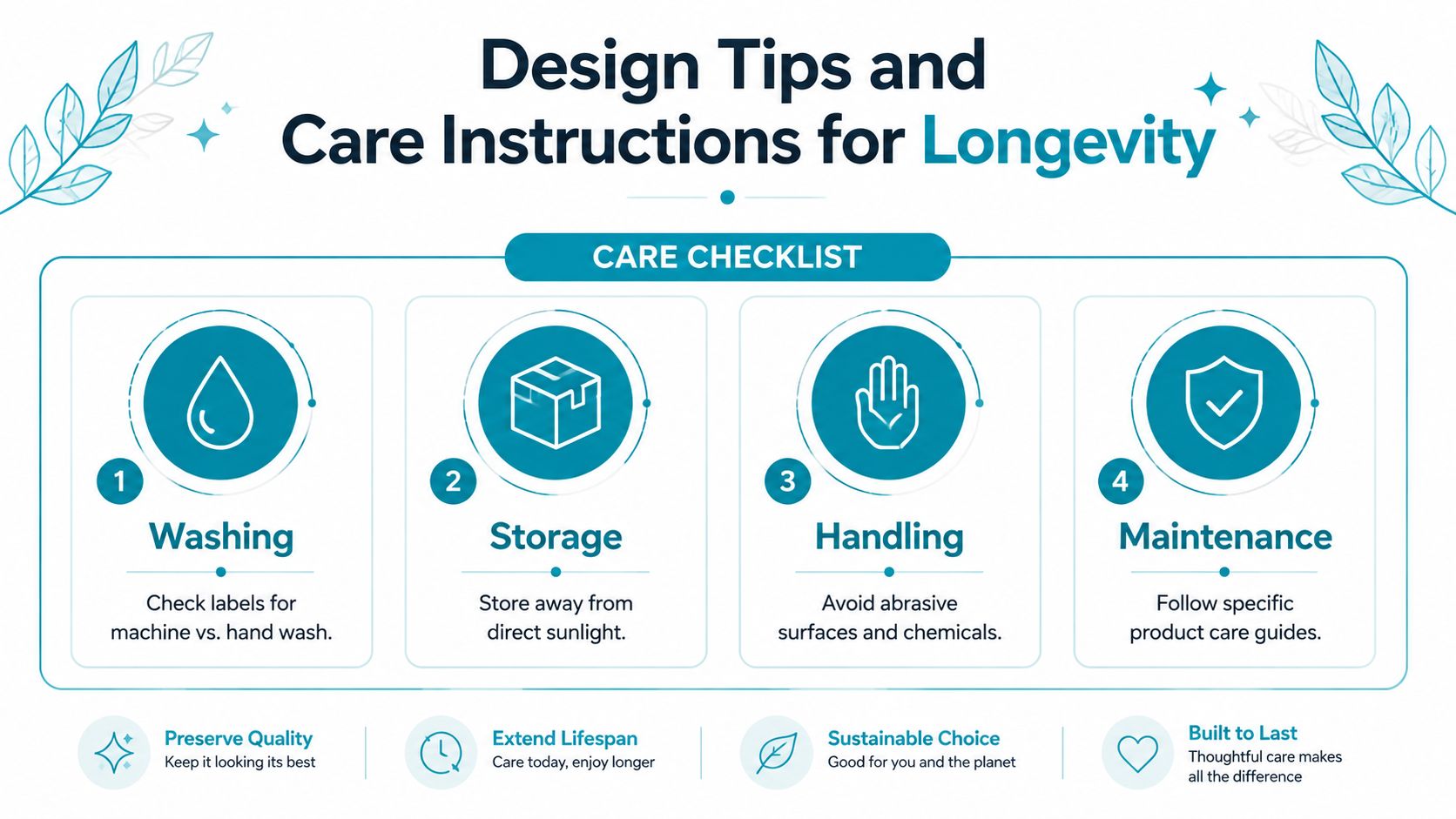
Match care to the surface
- Wall vinyl: Apply it to a clean, dry, smooth surface. Dust and textured paint can weaken adhesion. Clean with a soft cloth and avoid strong solvents.
- Acrylic signs: Use a gentle cloth and mild cleaning solution. Don't drag ornaments across the surface or stack items against the printed side.
- Textiles: Follow the garment's care label and the supplier's instructions. If the product has a tested wash limit or temperature, treat that guidance as part of the purchase.
- Bottle openers: Keep the personalised surface away from abrasive storage and clean spills promptly. Function comes first, so don't cover moving or gripping areas with decoration.
For printed family artwork, consider a layout with enough spacing between names and a colour scheme that will remain legible as furniture or wall paint changes. Quote My Wall's guidance on personalised home prints is relevant when you're comparing display formats.
Vinyl lifting usually points to surface preparation, application pressure or unsuitable texture. Don't repeatedly reposition an adhesive decal once it has bonded. If the design is large, intricate or destined for a difficult wall, professional installation can protect the finish and prevent an expensive mistake.
Strategic Gifting Timelines and Planning
Last-minute personalisation creates avoidable compromises. You may have fewer design choices, less time to correct a spelling error and limited availability for the exact finish or size you wanted. Families should plan personalised gifts around the occasion, not around the moment they remember the occasion exists.
Start with the date and work backwards. Allow time to choose the format, collect accurate names and dates, approve the preview, receive the item and inspect it before wrapping. Products with complex layouts, multiple names or custom artwork need more breathing room than straightforward labels or single-name designs. Ask the supplier for its current production and delivery estimate rather than relying on a general assumption.
Build one family gifting calendar
Record birthdays, Christmas requirements, weddings, anniversaries, new babies and house moves in one place. Group orders where several relatives need labels, baubles or coordinated pieces. Batch ordering can simplify proofs and delivery, although you should still check whether each product has a different production schedule.
The commercial scale of festive demand makes early organisation sensible. UK shoppers were expected to spend over £750 million on personalised gifts during the festive period, with the average buyer spending more than £40, according to Roland DG's UK gifting survey. That spending volume can make popular seasonal formats harder to secure close to Christmas.
Order the design before you order the panic. A calm proofing process protects the detail that makes a family gift meaningful.
Keep a buffer for delivery issues and inspect the item as soon as it arrives. If the name is wrong or the finish doesn't match the listing, early contact gives the supplier a realistic opportunity to help. Off-peak ordering can also make the process easier because you're not competing with a seasonal rush for attention and availability.
Your Personalised Gifting Decision Framework
Use a simple test before you buy. The best family gift balances relationship, use, durability, design and timing. If one of those elements is weak, personalisation alone won't rescue it.
Start with the recipient group
Write down who will use, display or receive the item. Is it for one child, a couple, grandparents, every member of a blended family or the whole household? Decide whether equal representation matters. A shared gift should avoid making one person look like the central owner unless that reflects the occasion.
Choose the personal detail
Names are practical and widely suitable. Dates are better for milestones. Photos suit emotionally close recipients and display pieces. A crest or shield can add heritage when the family values that visual language. Don't add a detail just because the supplier offers the field.
Test the product against its environment
Ask these questions before ordering:
- Where will it live? A bathroom, child's bedroom, hallway, kitchen and wardrobe all place different demands on materials.
- Who will handle it? Frequent washing and daily use require stronger evidence than occasional display.
- What does the supplier disclose? Look for material, dimensions, application method, care instructions and test conditions.
- Is it safe for the intended user? Children's rooms and clothing need particular attention to detachable components, coatings, adhesives and placement.
- Can the design be read? Check font size, contrast, name order and the amount of information on the surface.
- Does the timeline work? Leave room for proof approval, production, delivery and correction.
Budget should follow the gift's expected life. Pay more for a display piece that will remain in the family home or a product that will face regular handling. Choose a simpler option when the item serves a temporary purpose or the child is likely to outgrow the design quickly.
Quote My Wall is one UK option for custom wall stickers, prints, clothing labels and personalised gift products such as bottle openers, Christmas baubles and acrylic signs. Compare its stated product specifications with alternatives, then select the supplier that gives you enough information to judge the finished item confidently.
Quote My Wall offers custom wall décor, prints, clothing labels and personalised gifts that can suit shared family spaces, children's belongings and milestone occasions. Visit Quote My Wall to compare designs and choose a personalised format your family will use, display and keep.